- Downtime is the gap between fault and fix, so shrink detection with monitoring and wakeup checks.
- Remote-first fixing (power, preset, reboot over the device's own protocol) makes the truck roll the exception.
- Room QR codes make fault reporting effortless, so you finally see the estate as users see it.
- Alert and ticket history per room turns 'that room is cursed' into an approved rebuild.
When people say "the AV is always broken", they're rarely counting broken hardware. They're counting moments: the five minutes at the start of the meeting spent stabbing at a touch panel, the presenter holding an HDMI cable like a dead snake, the "we'll just huddle around a laptop". Each moment is small. The reputational damage compounds.
Reducing downtime is really about shrinking one number: the time between the fault occurring and the fix landing. Here are the four levers that shrink it, in order of impact.
1. Find faults before the users do
Most meeting-room faults exist for hours before anyone notices: the device dropped overnight, the switch port failed on Saturday. Continuous monitoring collapses that detection gap to minutes: every projector, display, DSP, camera and processor is polled around the clock, and a fault raises an alert while the room is still empty.
For rooms with a hard start time (lecture theatres, courtrooms, boardrooms with a 9am standing meeting), add wakeup checks that verify the room before the day begins. A fault caught at 6am and fixed by 6:05 simply never happened, as far as the business is concerned.
How the monitoring half works in practice is covered in remote AV monitoring: how to monitor AV devices remotely.
2. Fix remotely; make the truck roll the exception
Detection without remote control just means you get to feel the dread earlier. The second lever is being able to act from the alert (power a device, recall a preset, switch an input, hard-reboot the frozen processor) over the equipment's own control protocols, through a secure outbound-only tunnel, with every command logged.
The economics are stark. A remote reboot costs two minutes at a desk. The same fix as a site visit costs a technician's travel both ways, and in a multi-site estate it might cost a day. Estates that get remote-first discipline typically find a large share of tickets close without anyone leaving their chair.
3. Make reporting a fault effortless
Monitoring catches what devices can report; humans catch the rest: the crackling microphone, the flickering image. But people only report faults when reporting is easier than tolerating. Put a QR code in every room that opens a fault form for that specific room: no app, no login, no guessing the room name. Scan, type a sentence, done. A ticket lands in the queue already tagged with the right room and its equipment.
The volume of small faults you learn about goes up, which feels worse for a fortnight and then much better forever: you're finally seeing the estate as its users see it.
4. Track repeat offenders and fix the room, not the symptom
Every estate has a room that eats a disproportionate share of tickets. Without data, it just feels cursed. With alert and ticket history against the room and its assets, the pattern becomes a case: this processor has locked up eleven times this quarter; this display has been power-cycled weekly since March. That history is what turns "the room is dodgy" into an approved rebuild, the only fix that actually ends the downtime.
Run it under an SLA so improvement is measurable
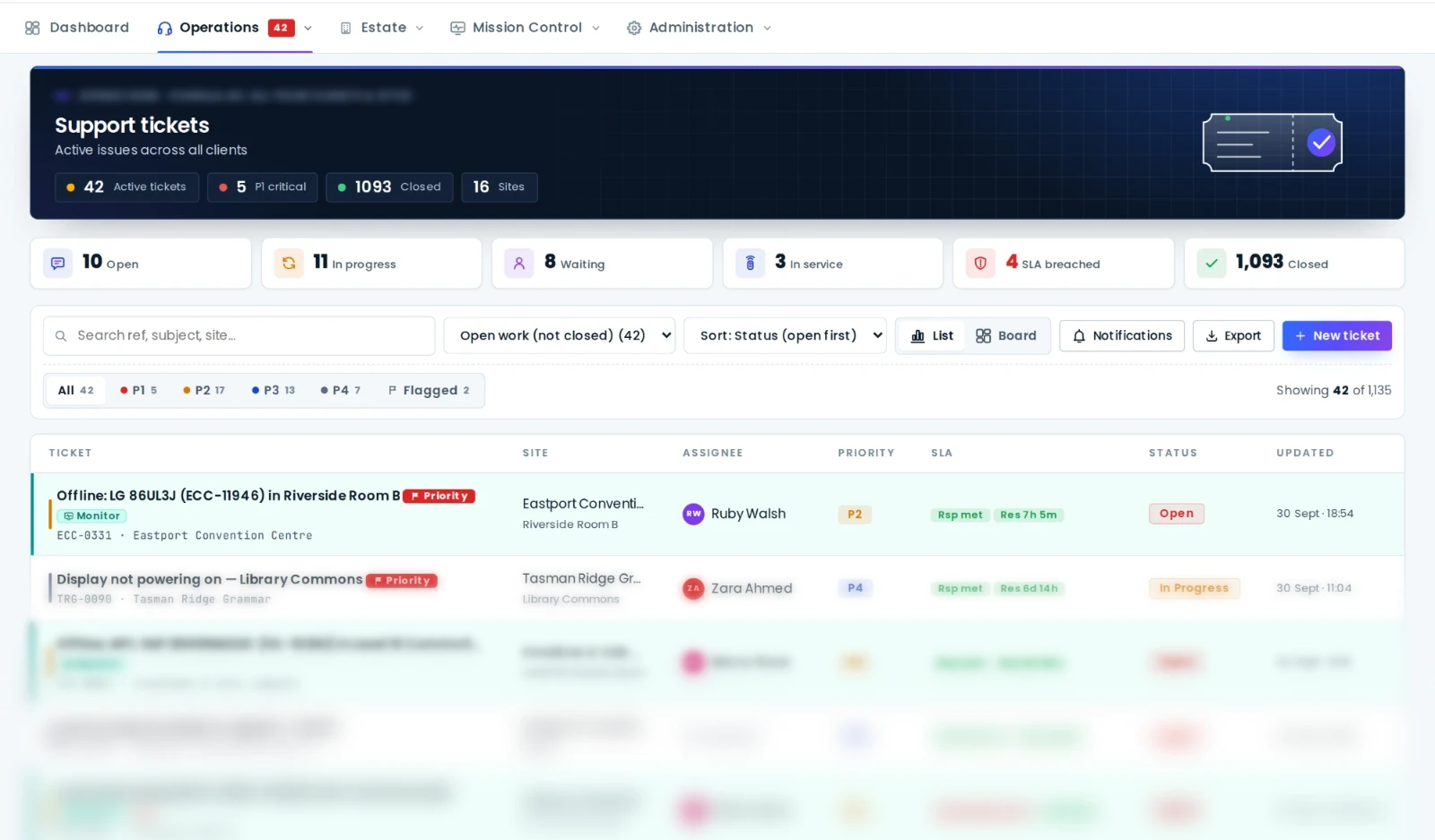
Finally, put clocks on the work. A support desk with SLA policies (response and resolution targets per priority) turns "we're pretty responsive" into numbers that trend. Pair the SLA report with uptime reporting from monitoring and you can show leadership the two curves that matter: faults found earlier, and faults fixed faster.
Users don't remember uptime percentages. They remember whether the room worked the last three times they walked in. Win that streak and the reputation follows.
The support desk side of this is covered in what an AV support ticketing system should do.
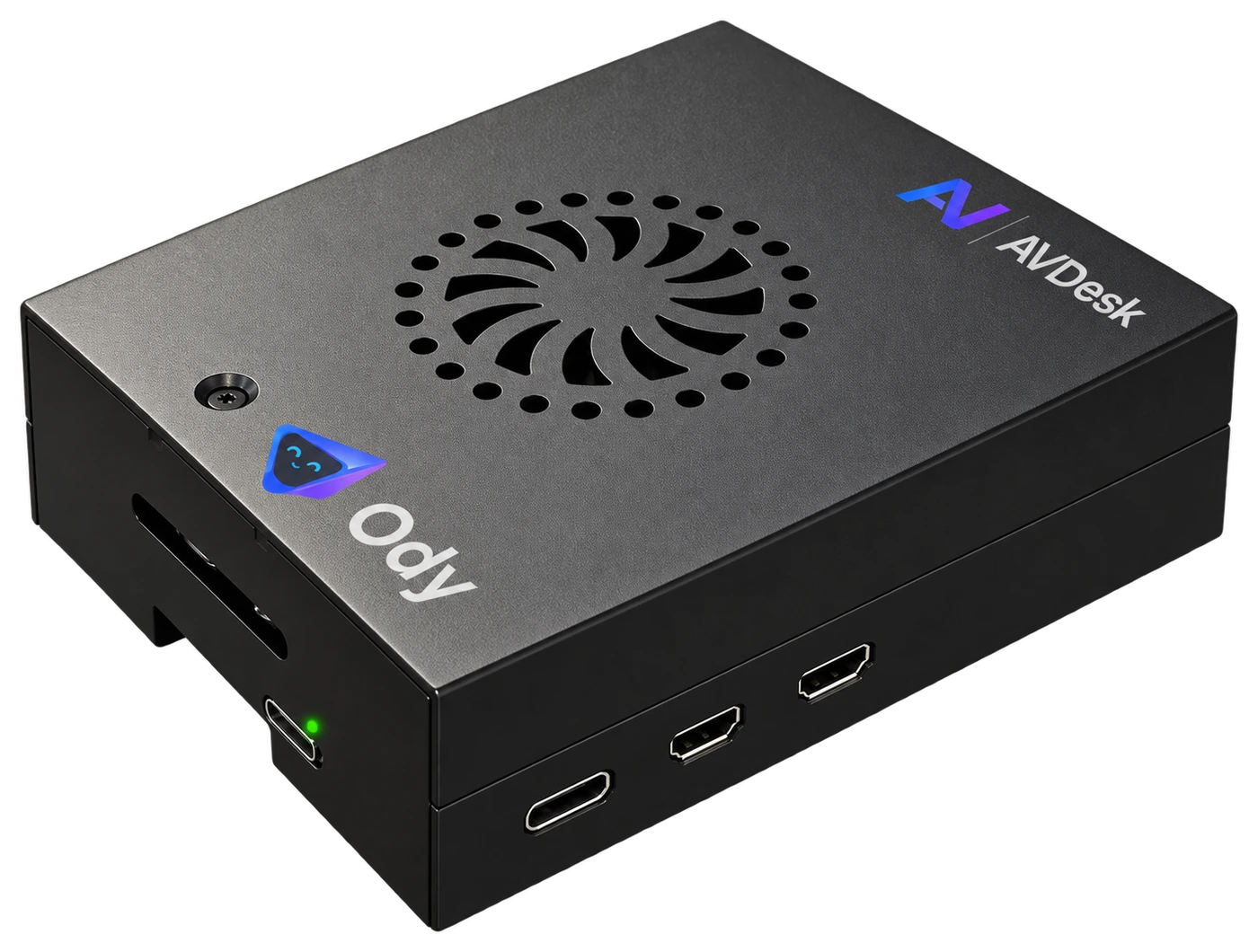
AVDesk combines all four levers (monitoring with wakeup checks, remote control, QR room fault reporting and an SLA-driven support desk) in one Australian-built platform, priced per room. Book a demo and we'll show it on rooms like yours.