Every AV estate has an asset register; almost none of them are true. The spreadsheet was accurate the week it was written and has drifted every week since, because in the spreadsheet model updating the record is a desk job that competes with real work. AV asset management software exists to invert that: make the register something the estate maintains through use.
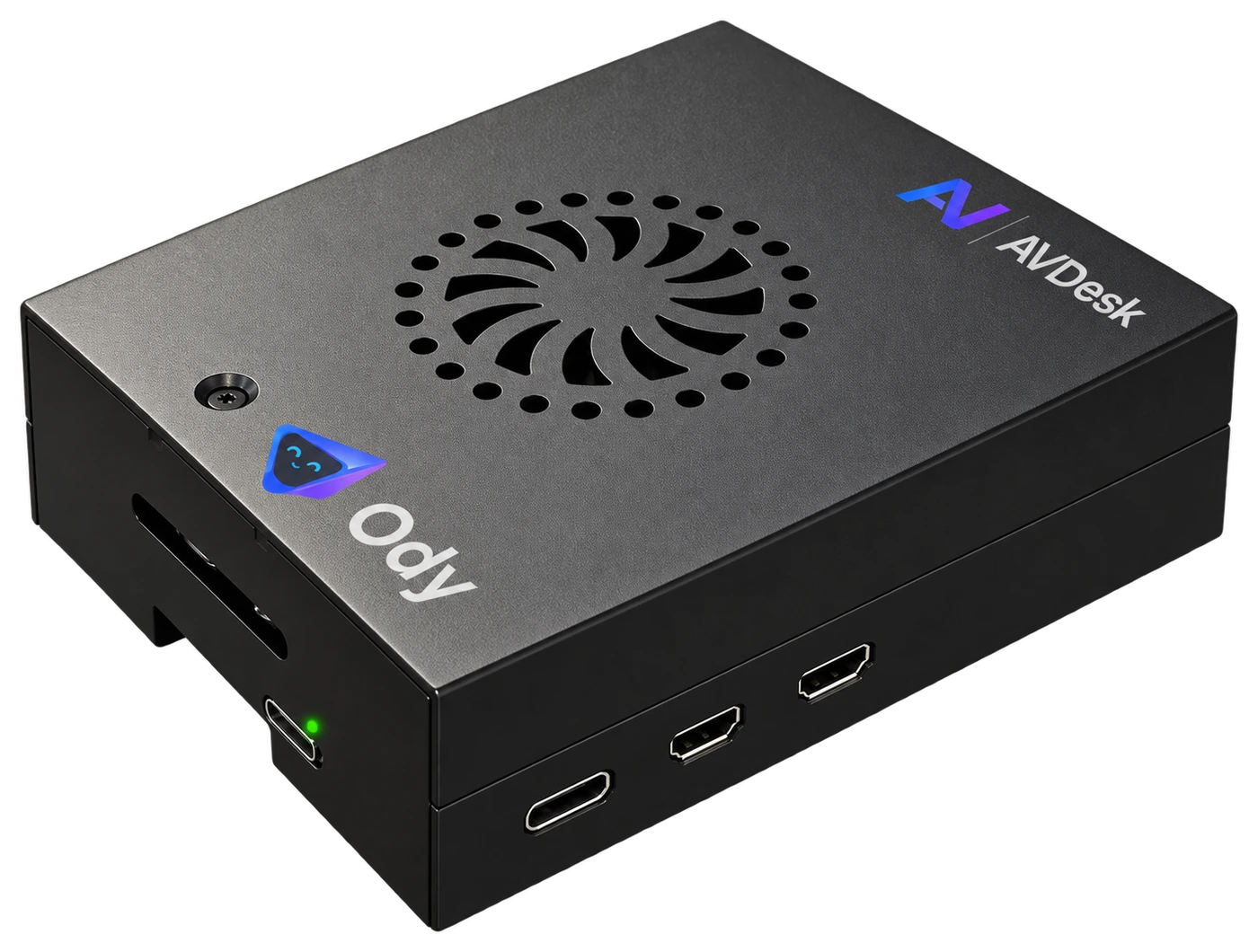
AVDesk does it with three mechanisms. Discovery with a validation queue: the on-site Ody box finds the AV devices on the site network, and a human approves each into the register, so it stays complete without going feral. QR labels: a durable, high-resolution label on every asset opens its live record on a phone, with details, location, status, service history and open tickets, all editable on the spot at the rack. And scan-based stocktakes, which turn the annual audit into a camera-scanning session that reconciles confirmed, missing and moved, with every outcome logged to the asset's history.
Around that accurate core sits the depth that makes the register a business document: purchase cost and straight-line depreciation to written-down value, warranty expiry, per-model end-of-sale and end-of-support dates driving a refresh forecast bucketed by Australian financial year, consumables and spares, photos, and a field-level audit trail on every change. Faults and fixes from monitoring and the support desk accrue against each asset, so repair-or-replace decisions read from evidence. The feature detail lives at AV asset management; the method is in our guides to building a register that stays accurate and asset lifecycle management.