
- Multi-vendor estates need three reach mechanisms working together: native protocols on the LAN, vendor clouds via SSO, and generic protocols for everything else.
- Q-SYS speaks QRC locally and Reflect in the cloud; Crestron speaks its own protocols locally and XiO Cloud above. A unified platform uses both paths.
- One alert stream, one device model and one history per asset is the point; per-vendor dashboards recreate the swivel chair.
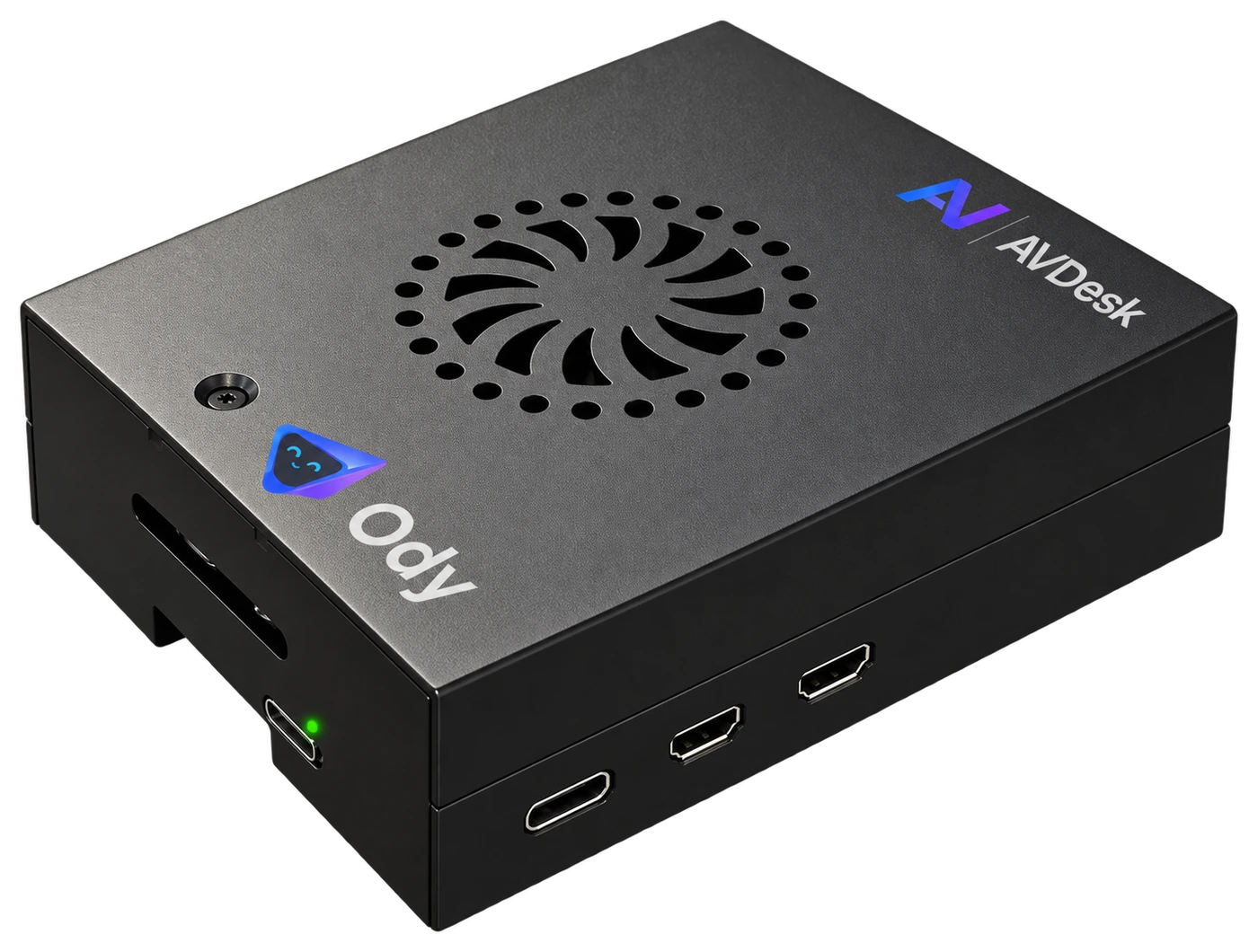
- An on-site box (Ody) is what makes the 'third-party' half (projectors, switchers, cameras, legacy gear) visible at all.
Nobody designs a single-vendor AV estate; they inherit a multi-vendor one. Q-SYS in the new wing, Crestron in the old one, AMX in the theatre nobody wants to touch, and a long tail of projectors, displays, switchers and cameras from a dozen manufacturers. Then each vendor hands you its own monitoring tool, and "checking the estate" means eight tabs and a prayer.
Unifying that is an architecture problem, and the architecture has three layers.
Layer 1 Native protocols on the LAN
The big control platforms are talkative on the local network, in their own languages:
- Q-SYS cores expose QRC: status, control state and health, queryable in real time.
- Crestron processors speak Crestron's own control protocols for status and control.
- AMX systems speak NetLinx.
An on-site monitoring box (in AVDesk, Ody, commissioned by an accredited integrator) sits on the same LAN and speaks all three natively. That's the difference between "the core is pingable" and "the core is healthy, and here's the state it's reporting".
Layer 2 The third-party long tail
The devices that outnumber everything else rarely have a fancy API, but they all speak something:
- PJLink: the lingua franca of projectors and many displays (power, input, lamp and error states).
- ONVIF: cameras.
- SNMP: switches, UPSs and much rack infrastructure, including uplink and PoE health (a surprising share of "AV faults" live here).
- SSH and HTTP APIs: the catch-all for modern devices.
Because Ody is on the LAN, it finds this long tail of AV devices automatically and feeds it through a validation queue into the asset register, so the monitoring view and the register are the same truth.
Layer 3 Vendor clouds, federated not abandoned
Q-SYS Reflect, Crestron XiO Cloud, Microsoft Teams Rooms, Zoom Rooms, Cisco Webex Control Hub, Logitech Sync, Poly Lens: these are genuinely good at their own hardware, and your team may rely on them. The unified platform's job is to federate them in via SSO (SAML/OIDC), not to demand you abandon them. Cloud-managed and LAN-monitored devices then sit side by side, one estate view. (When each is the right tool is its own article: AVDesk vs vendor-specific cloud monitoring.)
What "one platform" must actually mean
Merging three layers is only useful if the output merges too:
- One device model. A Q-SYS core, a Crestron processor and a no-name projector are all just devices with health, location and history, grouped by site and room.
- One alert stream. A fault is a fault regardless of which layer saw it, with one set of alert policies deciding what raises a ticket.
- One control surface. Power, preset, reboot: issued from the same screen, over the right protocol for that device, every command audited.
- One history. Alerts and fixes accrue against the asset, whichever path detected them. That's what makes lifecycle and repeat-offender analysis possible.
The test of a unified platform: when the 8am wakeup check fails, does anyone need to remember which vendor made the broken thing before they can see it, fix it and log it? If yes, it isn't unified.
Getting there without a rip-and-replace
The migration is gentler than it sounds because nothing is installed on devices and nothing existing is switched off: an integrator commissions Ody on the site LAN, discovery populates the queue, vendor clouds federate in over SSO, and the estate assembles itself over days. The vendor tools keep working; they just stop being the only window.
AVDesk AV Management Software runs this exact architecture for mixed Q-SYS, Crestron, AMX and third-party estates. Book a demo and bring your most stubbornly multi-vendor site.